A practical guide to setting the strategy before anything is booked
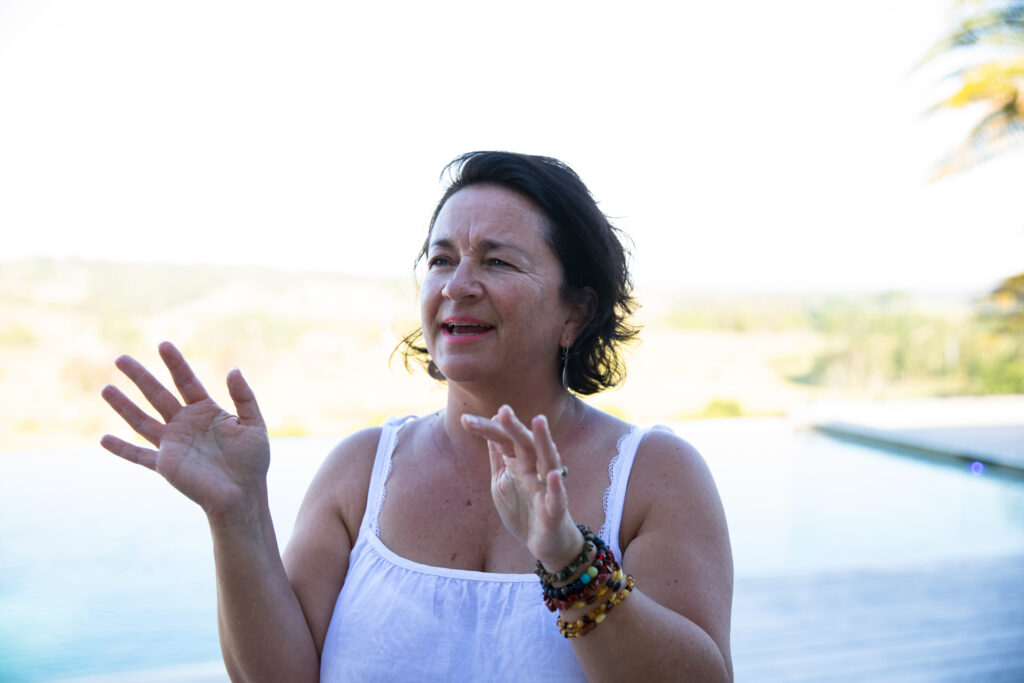
By Petrina Maxwell, Founder of Agent 86 Experiences
Give us ten minutes before you approve it
If you have an event brief or budget open in front of you, give us ten minutes before you approve it. You do not need another enormous planning document, and you do not need to calculate the value of every conversation guests might have. You do need clear answers to a few straightforward questions: what is the event meant to achieve, who must it work for, what should be different afterwards, where must the budget work hardest, and what evidence will show whether it worked?
When those answers are clear, decisions about destination, venue, format, program and suppliers become easier to make and easier to defend. When they are not, pause before committing the money. That pause could be the most valuable part of the planning process.
The question that is often asked too late
Many of my new-business conversations begin with a review of the previous event. That is usually the sensible place to start. We look at the brief, budget, program, feedback and what the team would or would not do again. There is no value in reinventing the wheel to make something new; good decisions, useful lessons and strong supplier relationships should be carried forward.
Then we ask one simple question: what was the event there to achieve? Sometimes the answer is immediate and shared. Sometimes there are several different answers. Sometimes nobody can answer it clearly at all. In that case, last year’s event can still inform the next one, but it should not automatically become its blueprint. We may not need a new wheel, but we do need to know it is taking the business in the right direction.
This is not theory for theory’s sake. The Events Industry Council’s 2025 professional standards place organisational purpose, audience needs, event objectives, performance measures and financial alignment at the start of strategic planning. Cvent’s 2026 survey of 901 marketing and event professionals also found that 90% said their event programs faced high scrutiny over measurable return, while only 28% had a robust framework for measuring trust. Confidence in an event is useful; agreed evidence protects the investment.
1. Give the event one clear job
Start with one sentence: This event exists to [create a specific change] for [a defined audience], so that [the business benefit] can happen. This is not the event theme or the line on the invitation. It is an internal filter for decisions.
| Example. This leadership retreat is designed to align our senior team around three priorities, so that decisions and resources are focused on the same plan for the next 12 months. |
Notice what is missing: a destination, venue, activity, speaker or production idea. Those choices come later. If the first sentence is ‘We are taking 80 people to Queenstown’ or ‘We need the same ballroom as last year’, the solution is already leading the strategy.
A quick test
Ask three stakeholders to complete the sentence separately. If you receive three substantially different answers, the event is not ready to be designed. That is not a failure. It is valuable information found early enough to resolve.
2. Be specific about who it needs to work for
‘Everyone’ is rarely a useful audience definition. A conference may include executives, managers, employees, partners, sponsors and clients. They can share the same room while needing very different things from it. Decide who the primary audience is, what is happening in their world, what they already think or feel, what must change, and what could prevent that change.
This affects much more than content. A tired sales team may need recognition and space to reconnect, not another densely packed agenda. Leaders dealing with difficult decisions may need privacy and skilled facilitation, not elaborate activities. Priority clients may value access to the right people and thoughtful conversation more than a large production. Spend should follow what matters to the audience, not be spread evenly across elements that do not matter equally.
3. Decide what proof looks like before the event
Measurement does not mean reducing a human experience to a finance report. It means agreeing in advance on what you will look for. Keep it proportionate and use three levels:
Participation: Did the right people attend and take part?
Response: What did they understand, feel or value?
Outcome: What happened because of the event?
The measures should match the job. For a leadership retreat, useful evidence might be decisions made, priorities agreed, actions assigned and progress afterwards. For a client event, it could be attendance by priority guests, quality conversations and agreed next steps. For an incentive, it might include acceptance, participant sentiment, follow-up conversations and relevant retention indicators.
You may not be able to prove that one event caused every later result. That is fine. The aim is credible evidence, not manufactured certainty. Cvent’s research distinguishes activity measures such as attendance and engagement from outcomes including trust, relationship strength and commercial impact. Decide what matters before the post-event survey is written.
4. Make the major budget lines explain themselves
Now open the spreadsheet. You do not need to interrogate every bottle of water. Focus on the decisions that materially shape the investment: destination and travel, venue and accommodation, content and facilitation, production and creative, hospitality, activities, guest communication, staffing, logistics, contingency, follow-up and measurement.
For each major item, ask what job it is doing, which objective or audience need it supports, what happens if it is reduced or removed, and whether the money would work harder elsewhere. This is not an argument for always spending less. Sometimes the strategic answer is to spend more. A strong facilitator may be more valuable than another activity; personalisation may matter more than a larger dinner; careful guest selection and time for conversation may outperform a bigger invitation list.
| Smart spend is not the cheapest option. It is placing the money where it has the best chance of doing the job the business has agreed matters. |
5. Have one focused conversation before booking
Bring together the event sponsor, the internal owner and one or two key stakeholders. In 30 minutes, agree on the business reason for the event, its single most important objective, the primary audience, the change you want, the evidence leadership will expect, the areas where budget must work hardest, the non-negotiables and the decisions that need specialist input before they are locked.
Write the answers on one page and circulate it. That page is not the complete event strategy, and it does not replace the detailed work of research, design, procurement, risk, logistics or evaluation. It is the decision filter that keeps the early brief and spend pointed in the same direction—and gives the EA, PA, marketer, HR leader or executive responsible for the event something stronger than personal preference when competing requests arrive.
If things are already booked
Do not panic. Agree on the primary objective, audience, intended change, realistic evidence and required follow-up. You may not be able to change the destination or venue, but you can often improve the content, guest journey, communication, facilitation, hospitality and follow-through. Strategy has the greatest influence early, but it can still add value later.
Before you approve the spend
You should be able to complete five sentences: This event exists to… It needs to work primarily for… Afterwards, we want them to… The budget needs to work hardest on… We will know it worked when…
If you cannot complete them yet, resist the pressure to start booking. Last year’s spreadsheet can tell you what was spent, but it cannot tell you what this year’s event needs to achieve. Events are not the problem. The problem is asking an event to prove its value when nobody defined that value at the beginning. Give the event a job, agree on the evidence, then design the experience and budget around both. That is how every dollar earns its place.
| Need a second set of eyes before the major decisions are locked in? Agent 86 can turn the business need into a clear event strategy, a practical brief and an experience designed to deliver it. |
Sources
Cvent, How to Measure the Event Metric Most Teams Are Missing: Trust, 23 June 2026
Events Industry Council, CMP International Standards 2025
Events Industry Council, Designing for Impact: 5 Ways to Enhance Event Value